Dr. Peter R. Hofstätter
Son of a University of Vienna gynecology professor. Wehrmacht psychologist. Harvard and MIT. Chair at Hamburg. Konrad Adenauer Prize.
Focus
Fischer-Lexikon Psychologie (1957)
Gruppendynamik (1957)
600,000+ copies sold
Why he matters
Peter R. Hofstätter was one of the most influential psychologists in postwar Germany - and a deeply controversial figure. He modernized German psychology by introducing American empirical methods, wrote the definitive German psychology reference (600,000+ copies sold), and pioneered group dynamics research. He was also a Wehrmacht psychologist whose past and later amnesty writings sparked fierce debates.
[S36]S36 — DocumentPeter R. Hofstätter biographical research (2026-01-18)His daughter Nadina married Dr. Clifford Goodman Jr. in 1966, connecting the Austrian intellectual lineage to the Arizona medical dynasty.
The Viennese origins
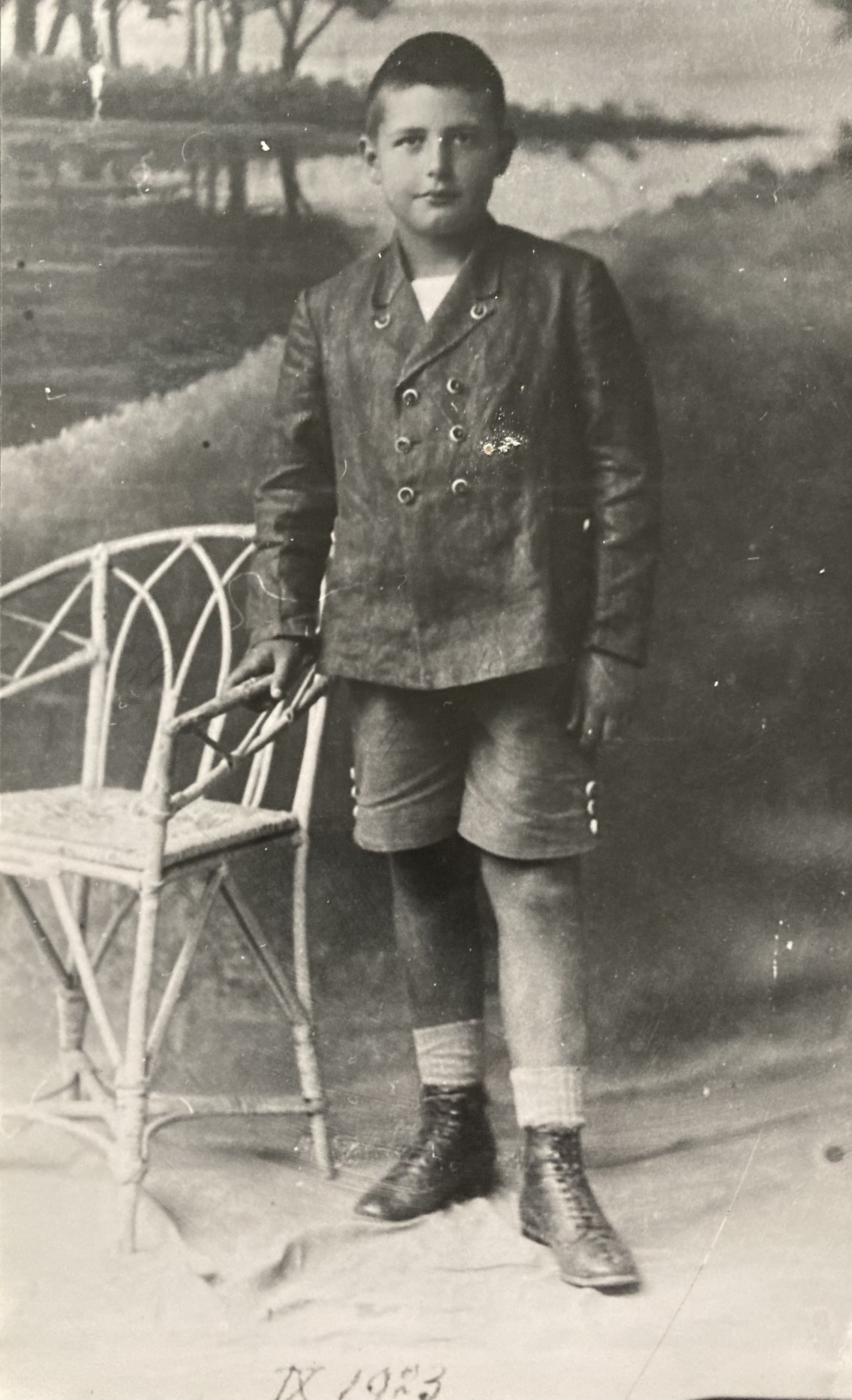
Born Peter Adolf Robert Maria Hofstätter on October 20, 1913, in Vienna, Hofstätter was the only child of Robert Matthias Hofstätter, MD, a professor of gynecology at the University of Vienna. He grew up in a Gelehrtenhaus (scholar's household), a milieu rooted in academic achievement, self-cultivation, and medical science.
[GED]GED — Genealogy DatabaseGEDCOM Master File: William Erastus Platt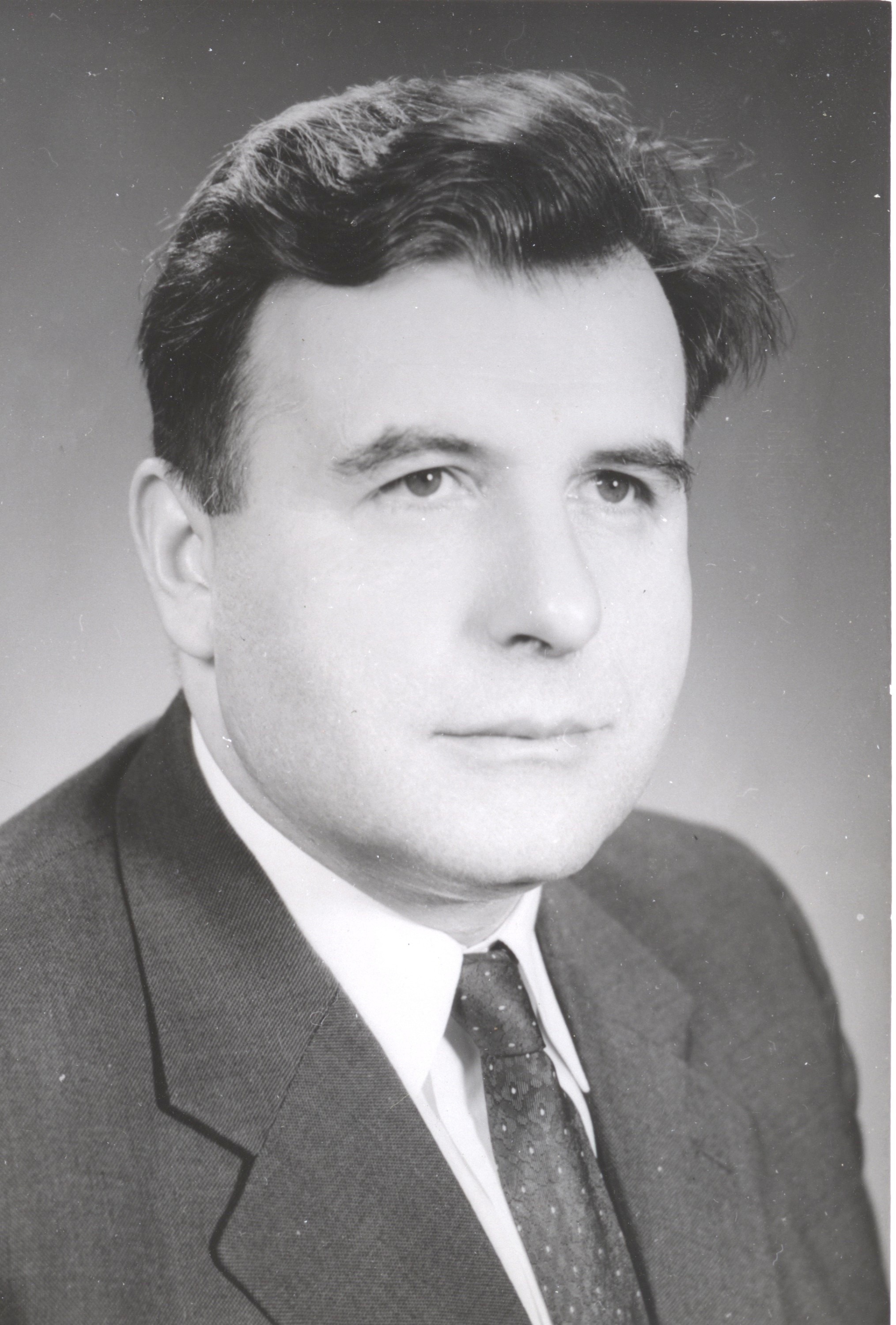
Academic formation
Hofstätter initially enrolled at the University of Vienna to study physics and chemistry. He later switched to psychology and philosophy, entering the orbit of the Vienna Psychological Institute led by Karl and Charlotte Bühler.
[S36]S36 — DocumentPeter R. Hofstätter biographical research (2026-01-18)The most decisive influence was Egon Brunswick, whose theory of "probabilistic functionalism" argued for ecological validity in experiments. Brunswick's teachings seeded Hofstätter's later obsession with empirical methods and statistics.
[S36]S36 — DocumentPeter R. Hofstätter biographical research (2026-01-18)| Year | Event |
|---|---|
| 1913 | Born in Vienna |
| 1936 | Doctorate from University of Vienna |
| 1937-43 | Wehrmacht Psychological Service |
| 1940 | Habilitation at University of Vienna |
| 1943-45 | Combat service (artillery) |
| 1949-56 | United States: MIT, Catholic University |
| 1959-79 | Chair of Psychology, University of Hamburg |
| 1984 | Konrad Adenauer Prize |
| 1994 | Died in Buxtehude |
The wartime years (1938-1945)
When Nazi Germany annexed Austria in March 1938, Hofstätter was already serving as a psychologist for the Austrian Federal Army. He was absorbed into the Wehrmacht Psychological Service, screening conscripts using "characterological" methods. By 1943 he had attained the rank of Regierungsrat (Government Councilor).
[S36]S36 — DocumentPeter R. Hofstätter biographical research (2026-01-18)In 1941, he published a controversial paper using National Socialist jargon to argue for psychology's utility to the "national whole." Historians debate whether this was cynical survival strategy or genuine ideological convergence. His later functionalism - separating method from morality - suggests the former.
[S36]S36 — DocumentPeter R. Hofstätter biographical research (2026-01-18)When the Wehrmacht dissolved its psychological service in 1942, Hofstätter was drafted to artillery and served in combat until war's end.
[S36]S36 — DocumentPeter R. Hofstätter biographical research (2026-01-18)The American transformation (1949-1956)
In 1949, Hofstätter moved to the United States, holding positions at MIT and the Catholic University of America in Washington, D.C. The stay was temporary: he returned to Germany in 1956.
[S36]S36 — DocumentPeter R. Hofstätter biographical research (2026-01-18)American psychology in the 1950s was radically different from Vienna: positivist, quantitative, focused on group dynamics and public opinion. Hofstätter absorbed these methods, becoming a bridge between European tradition and American empiricism.
[S36]S36 — DocumentPeter R. Hofstätter biographical research (2026-01-18)He adopted factor analysis as a key tool - reducing complex personality traits and social attitudes to manageable data points.
[S36]S36 — DocumentPeter R. Hofstätter biographical research (2026-01-18)The Hamburg School (1959-1979)
Returning to Germany in 1956, Hofstätter accepted the Chair of Psychology at the University of Hamburg in 1959 - a position he held for two decades. He is widely credited with the "Americanization" of German psychology.
[S36]S36 — DocumentPeter R. Hofstätter biographical research (2026-01-18)Fischer-Lexikon Psychologie
His 1957 Fischer-Lexikon Psychologie sold over 600,000 copies - for decades, the standard reference for anyone in Germany interested in psychology. Through this book, he defined the field's boundaries, emphasizing empirical findings and effectively marginalizing psychoanalysis in public imagination.
[S36]S36 — DocumentPeter R. Hofstätter biographical research (2026-01-18)Gruppendynamik
His 1957 book Gruppendynamik introduced the study of small-group interactions to Germany. He argued that understanding how groups function was essential for democracy - the "group" as mediating structure between individual and mass.
[S36]S36 — DocumentPeter R. Hofstätter biographical research (2026-01-18)The Adorno controversy
Hofstätter's functionalist approach collided with the Frankfurt School. Theodor Adorno accused him of "collective narcissism" - using methodological purity to disqualify uncomfortable truths about the German psyche.
[S36]S36 — DocumentPeter R. Hofstätter biographical research (2026-01-18)In 1963, his Die Zeit article "Bewältigte Vergangenheit?" (Past Overcome?) argued for amnesty for war criminals on psychological grounds - that endless trials damaged the new democracy. The backlash was immense. To the student movement, he became a symbol of the "restoration."
[S36]S36 — DocumentPeter R. Hofstätter biographical research (2026-01-18)Recognition and legacy
Despite the controversies, Hofstätter received the Konrad Adenauer Prize in 1984 for his contributions to German intellectual life. He died on June 13, 1994, in Buxtehude, Lower Saxony, near Hamburg.
[GED]GED — Genealogy DatabaseGEDCOM Master File: William Erastus PlattFamily connection
Hofstätter's daughter Herta Ingeborg Nadina Hofstätter met Clifford Goodman Jr. during his LDS mission in Hamburg in the early 1960s. They married in August 1966, connecting the Austrian academic lineage to the Arizona medical dynasty.
[S35]S35 — Family NarrativeFamily narrative draft: Dr. Clifford J. Goodman Jr. (2026-01-18)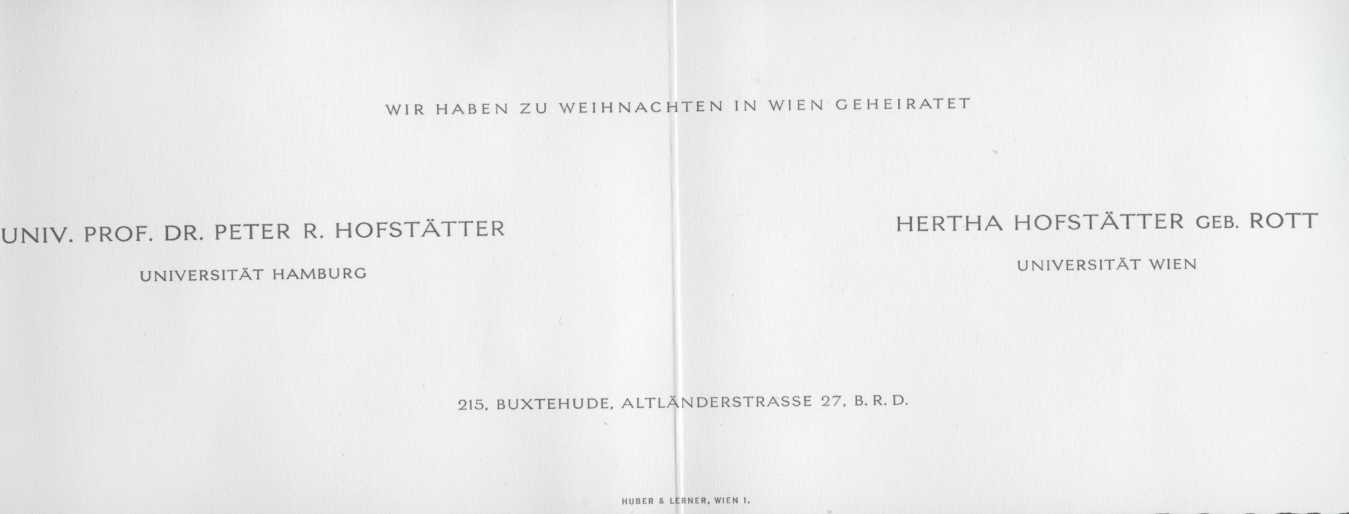
Sources
- [S36]↑
- [GED]↑GEDCOM Master File: William Erastus PlattGenealogy Database
- [S35]↑Family narrative draft: Dr. Clifford J. Goodman Jr. (2026-01-18)Family Narrative
Comments
Loading comments...